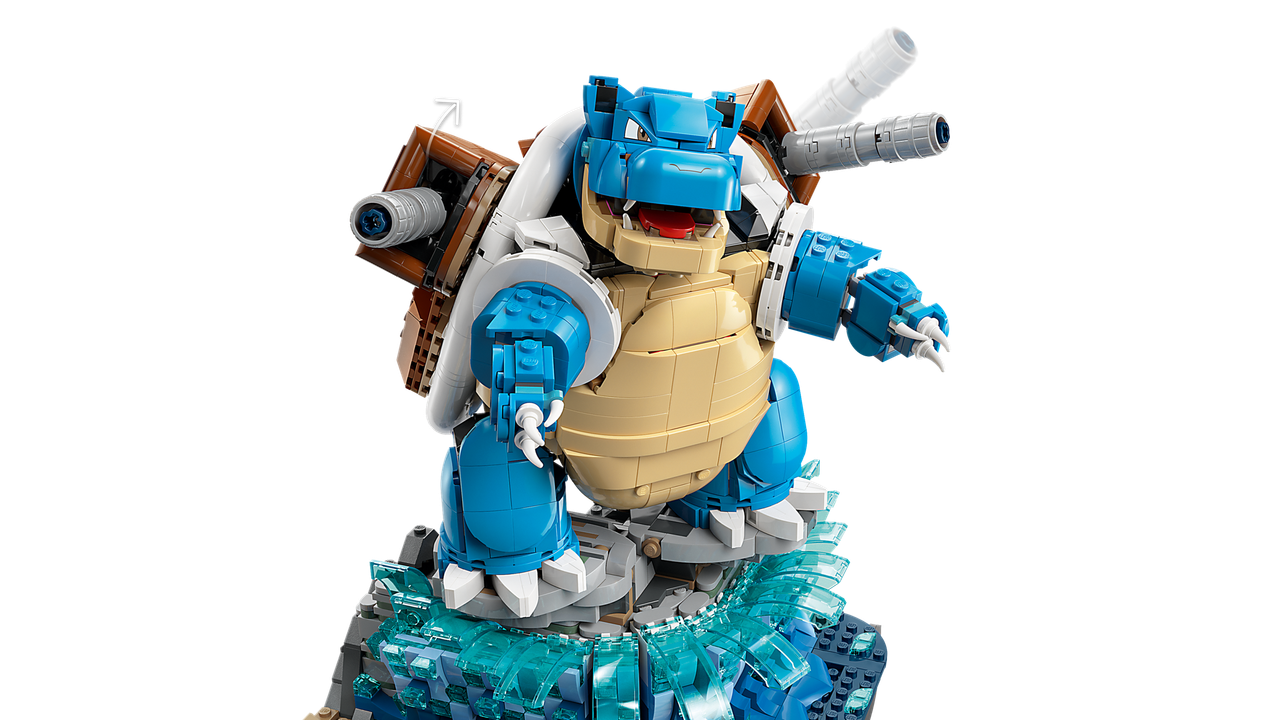
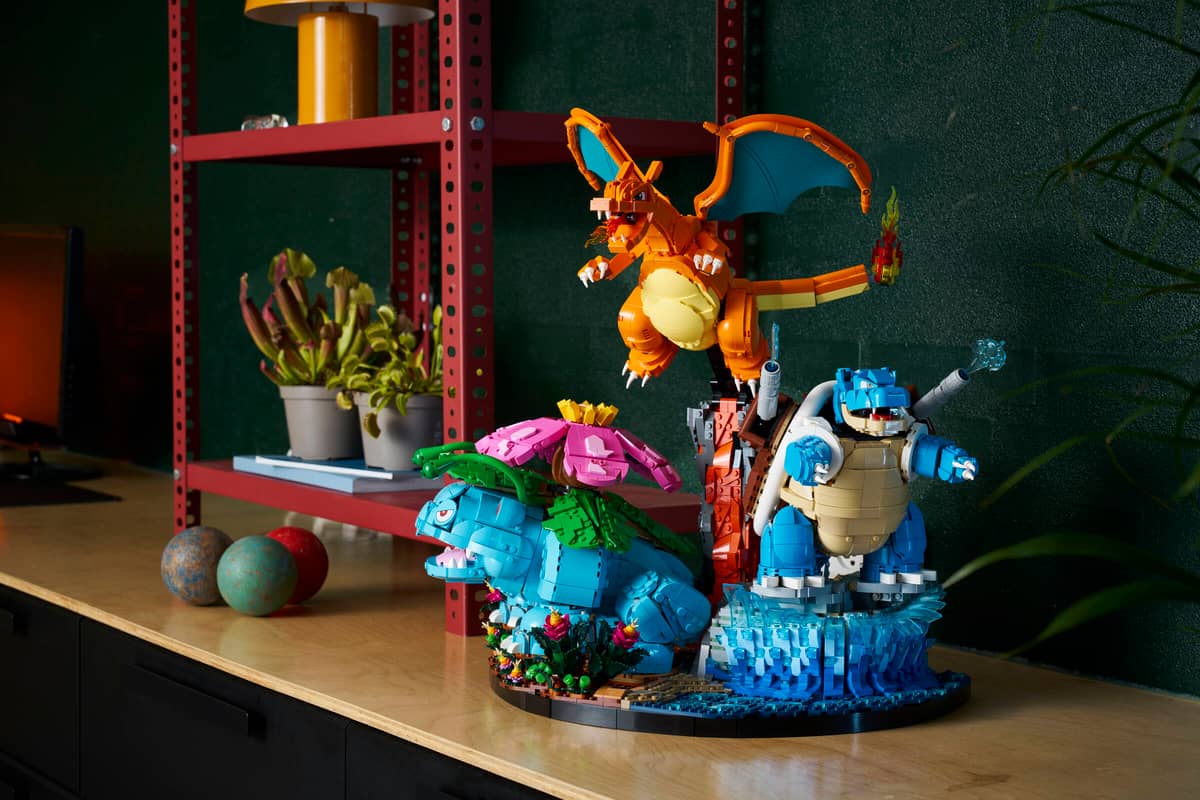
If you’ve been anywhere near the LEGO or Pokémon fan community since February 2026, you’ve seen it: the towering, three-headed monster of a set that is LEGO 72153 Venusaur, Charizard and Blastoise. At 6,838 pieces, it’s one of the biggest and most expensive LEGO collaborations ever released, and it’s got fans and reviewers deeply divided. I’ve built it, displayed it, and lived with it on my shelf for a while now — and I’ve got some opinions that don’t quite match the rest of the internet.
The Good: These Pokémon Look Genuinely Incredible
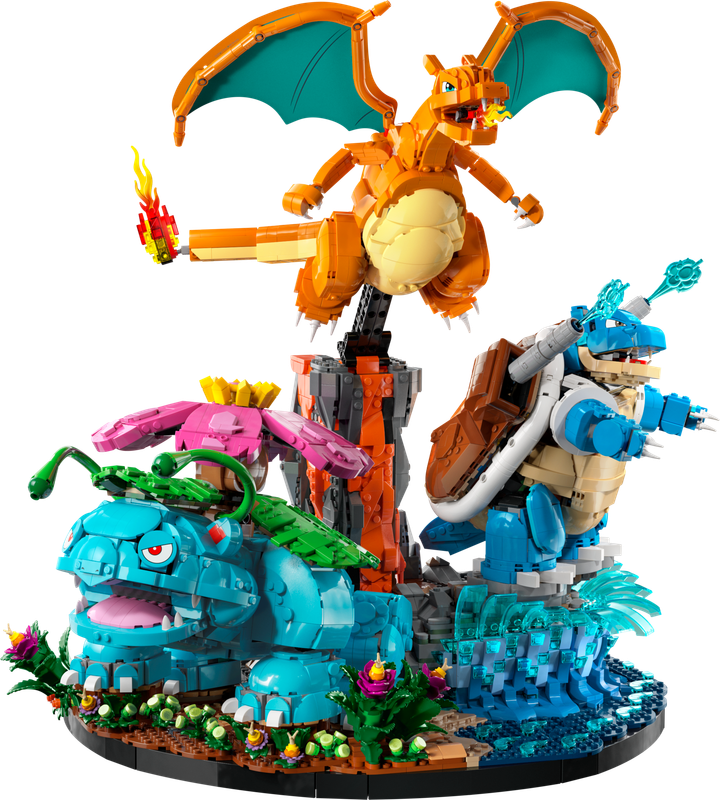
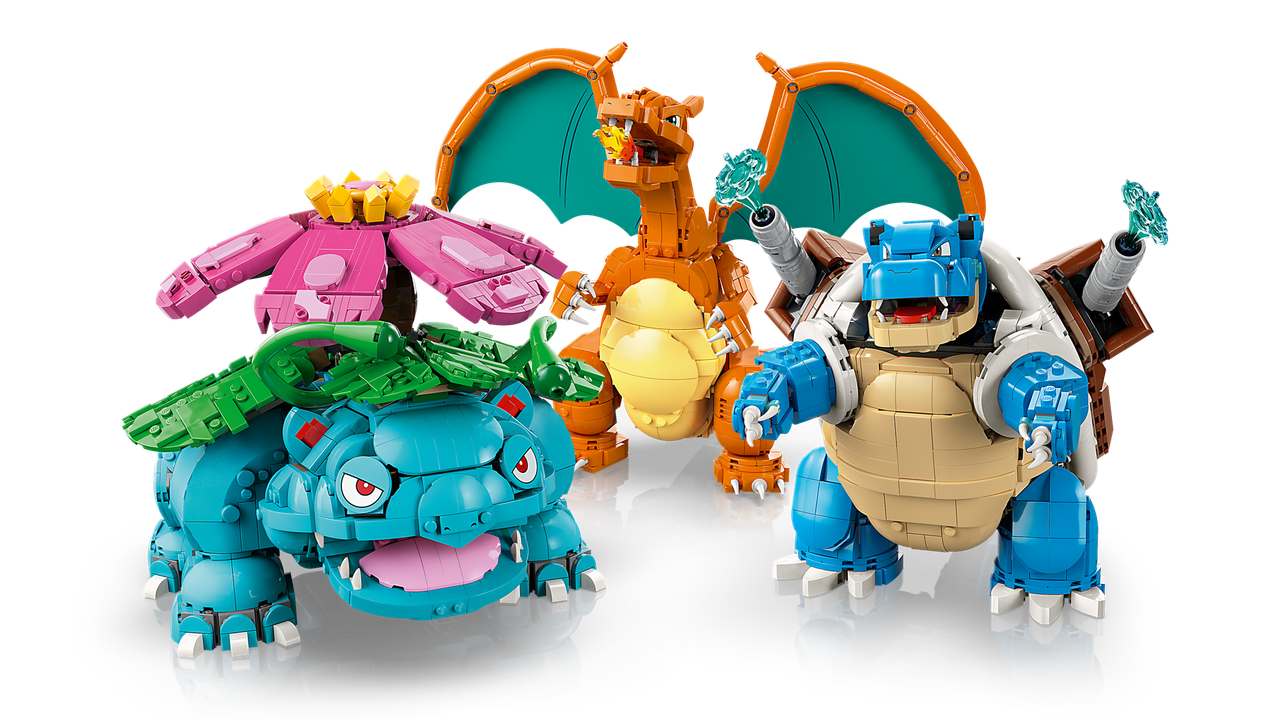
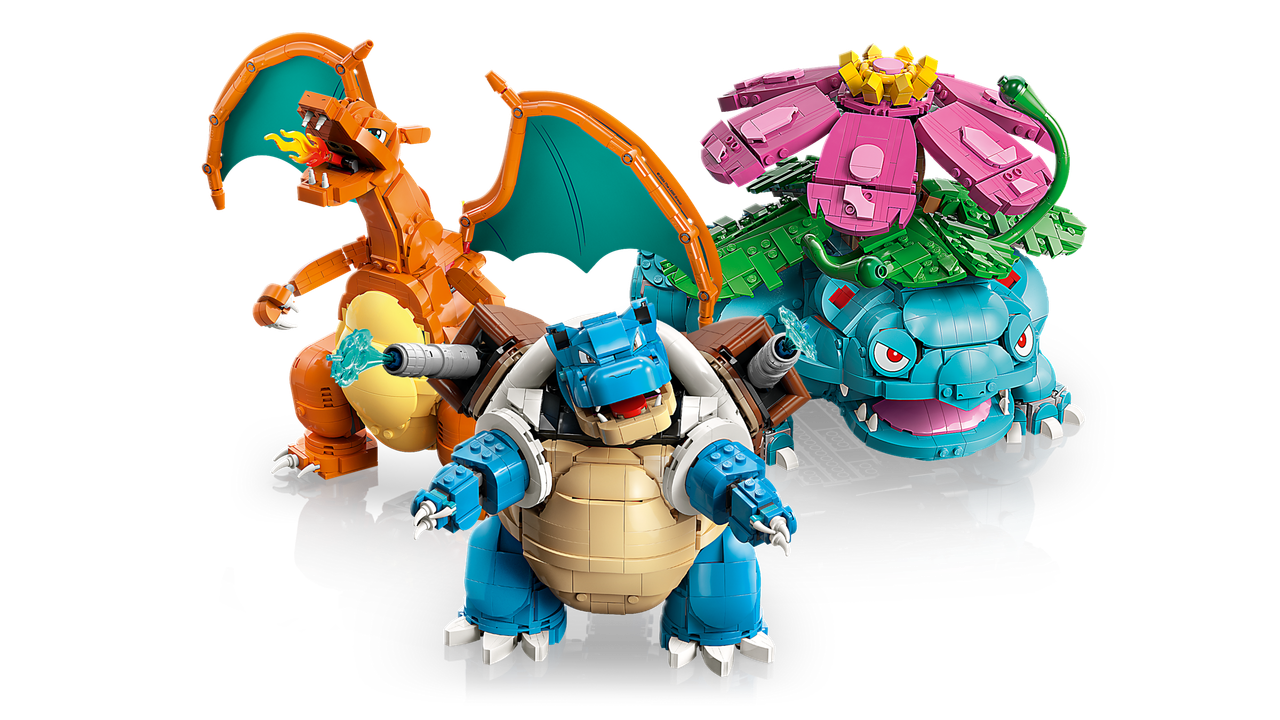
Let’s start with what nobody disputes: the sculpting on all three creatures is fantastic. Venusaur gets new dark azure recolors and printed (not stickered) face elements that nail its rounded, sleepy-eyed expression. Charizard is widely considered the most refined build of the trio, with the cleanest shaping and the best poseability. Blastoise’s shell construction is genuinely clever engineering, even if the arm movement is limited. Each Pokémon sits on a themed elemental base — grass, water, and fire — that can be split apart and displayed individually or combined into one massive diorama.
As a lifelong Pokémon fan, I’ll say it plainly: these are some of the best brick-built creature sculpts LEGO has ever produced. The details are there. The presence is there. That part of this set is not in question.
The Problem: Bigger Isn’t Always Better
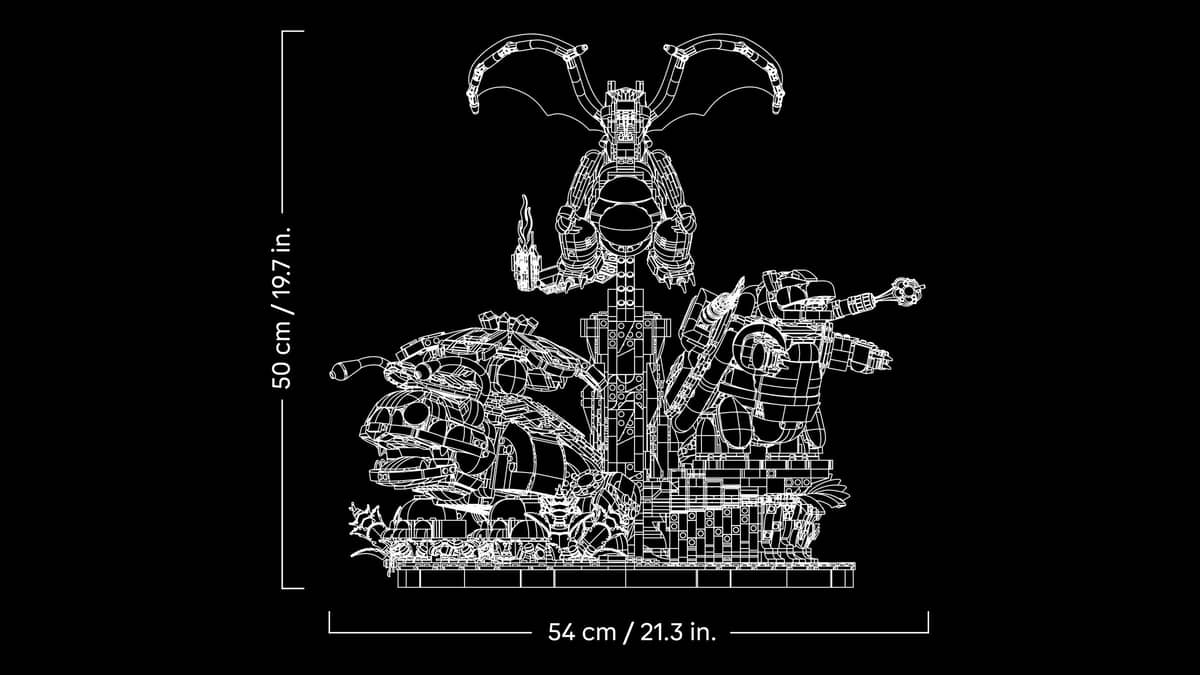
Here’s where I part ways with a lot of the “it’s expensive but worth it” takes floating around. This set didn’t need to be this large — or this pricey. A huge chunk of the piece count and cost comes from the elaborate scenic bases (the wave, the volcano, the leafy platform), not the Pokémon themselves. That’s fine in theory, but it inflates an already premium price tag into “most expensive set I own” territory for a lot of collectors.
And here’s the thing: LEGO already gives you the ability to separate all three Pokémon and display them independently. That’s a genuinely great feature. But it also proves my point — if these builds are designed to stand alone, why not just sell them that way? Three smaller, more affordable individual sets that could later combine into the mega-display would have been the smarter move. Let people buy their favorite starter’s evolution without dropping $650 for two Pokémon they may not even want.
It’s also a missed opportunity that, at this price point, there’s no Pokémon Trainer minifigure or even minifig-scale versions of Venusaur, Charizard, and Blastoise included. For a flagship release like this, that inclusion feels like it should have been a given — a small addition that would have added real value without meaningfully increasing the cost.
Who Should Actually Buy This Set
This is a display piece, full stop — not a toy, and not a quick weekend build (expect around 15 hours total). It’s best suited for:
- Dedicated Pokémon collectors who want all three Kanto starters’ final evolutions as centerpiece displays
- Adult LEGO builders who enjoy technical, SNOT-heavy construction techniques
- Gift-givers shopping for a die-hard fan who has room (and budget) for a genuine showstopper
If you only care about one specific starter, this is a much harder sell — you’re paying full flagship price for two Pokémon you may never display.
Final Verdict
72153 is a technically brilliant, visually stunning set held back by an unnecessarily inflated size and price. I love what LEGO built here — I just wish they’d trusted the modular concept enough to let fans buy in piece by piece.